Why Young Professionals Shouldn't Wait to Buy Their First Home
For many young professionals, buying a first home can feel like something to think about "someday." Maybe after saving more money. After getting a bigger raise. After mortgage rates come down. After finding the perfect home.
But waiting for the perfect moment can sometimes mean waiting longer than necessary to begin building one of the most important sources of long-term wealth: home equity.
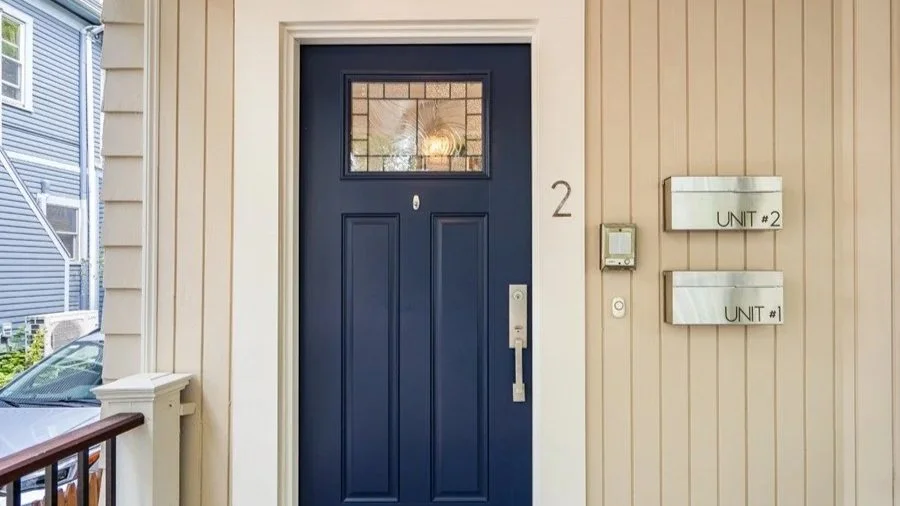
The reality is that buying your first home has become more challenging, particularly in expensive markets like Greater Boston. But that doesn't mean homeownership is out of reach. In fact, one of the biggest mistakes a prospective first-time buyer can make is assuming they need to have everything figured out before they start exploring their options.
You may be closer to buying than you think.
The Homeownership Numbers May Not Tell the Whole Story
A recent article from Straight Arrow News, "We Might Be Measuring American Homeownership Incorrectly," highlights a fascinating new perspective on homeownership in America.
The U.S. Census Bureau's traditional measure puts the nation's homeownership rate at 65.3% in 2026. But economists at the Federal Reserve Bank of Minneapolis have proposed a different way of looking at the numbers, one that measures the percentage of adults who actually own a home rather than counting everyone living in an owner-occupied household. By that measure, the rate is estimated to be closer to 53%.
The difference is significant. It reflects a growing number of adults living in homes owned by someone else, including young adults living with parents or other family members. According to the SAN article, an economist cited in the story noted that delaying homeownership from age 30 to age 40 could mean missing out on roughly $150,000 in equity on a typical starter home.
That number isn't a guarantee of future appreciation, of course. Real estate values can rise and fall, and every market and property is different. But the underlying point is worth considering: the longer you wait to become a homeowner, the longer you wait to start building equity.
Homeownership Is About More Than Having a Place to Live
One of the biggest advantages of owning a home is that your monthly housing payment can help you build an asset over time.

When you rent, your monthly payment provides you with a place to live. When you own, part of your mortgage payment generally goes toward reducing your loan balance, increasing your equity in the property. If the home's value also appreciates over time, your equity can grow from both mortgage principal reduction and appreciation.
That equity can eventually become a significant financial resource. Homeowners may use it when they move to another property, help fund retirement, support other investments, or pass an asset on to the next generation.
The U.S. Census Bureau describes household wealth as an important measure of economic well-being and notes that wealth can serve as a financial resource during difficult times and as an important source of income in retirement. Home equity is one of the assets included in measures of household wealth.
This is one reason getting into the housing market earlier, when financially appropriate, can be so powerful. You are not simply paying for housing. You are potentially building an asset that can grow alongside your career and other investments.
You Don't Necessarily Need 20% Down
One of the biggest misconceptions we hear from prospective first-time buyers is that they need 20% of the purchase price saved before they can buy a home.
That's not necessarily true.
Depending on your financial situation and the property you are purchasing, there are mortgage options that allow for substantially lower down payments. For example, FHA-insured mortgages can have minimum down payments as low as 3.5% for eligible borrowers. Fannie Mae's HomeReady mortgage can offer down payments as low as 3% for qualified borrowers and may allow eligible sources such as gifts and grants to help with upfront costs.
There may also be state and local programs that can assist qualified first-time buyers with down payments, closing costs, or other expenses. Massachusetts has programs and initiatives designed to expand access to homeownership, although eligibility and availability can change and vary by location and borrower.
This is exactly why it is valuable to talk with an experienced mortgage lender before deciding that you aren't ready to buy.
Start With a Mortgage Pre-Approval
A conversation with a knowledgeable lender can help you understand what you can realistically afford, what your monthly payment might look like, and how much cash you may actually need to purchase a home.

A pre-approval can also help you understand the difference between what you think you can afford and what a lender may be willing to finance.
You may discover that:
You don't need a 20% down payment.
You may qualify for a first-time homebuyer program.
You may have more financing options than you realized.
You may be able to consider a different price range or property type.
You can create a realistic savings plan if you aren't ready quite yet.
At Dwell360, we can introduce you to experienced mortgage professionals who can help you explore these possibilities. A good lender isn't simply there to tell you whether you qualify. They can help you understand the options available to you and create a plan for getting from where you are today to where you want to be.
Of course, a lower down payment can come with tradeoffs, including mortgage insurance and potentially higher monthly costs. The right choice depends on your individual financial circumstances. That's another reason a conversation with a qualified lender is so important.
Talk to a Real Estate Agent Before You Think You're Ready
You don't have to be ready to make an offer tomorrow to meet with a real estate agent.
In fact, the earlier you start the conversation, the more useful it can be.
An experienced agent can help you understand what your money can buy in the communities you are considering. In Greater Boston, that can vary dramatically from one town or neighborhood to the next. Your agent can help you compare condos, townhomes, single-family homes, and other possibilities while discussing factors such as property taxes, condo fees, maintenance, commute, and resale potential.
At Dwell360, we believe the first step is education. Our goal is to help buyers understand the market and make informed decisions, whether they are ready to buy immediately or are still working toward that goal.
Sometimes the best outcome of a first meeting isn't buying a home. It's leaving with a clear understanding of what you need to do next and when you might be ready.
Why Summer 2026 is the Right Time to Start Planning
If you are thinking about buying your first home, this summer is a great time to start the process, even if you don't expect to purchase for a year or more.
Historically, the period after Labor Day can bring a new wave of listings as homeowners who didn't want to sell during the busy summer months put their homes on the market. That means buyers who begin preparing now may be in a better position to take advantage of additional choices as the fall market develops.
Fall can also be a great time to get your feet wet by touring properties, watching the market, and refining your search criteria, putting you in a strong position to begin your home search in earnest in 2027.
The key is being ready.
If you wait until the perfect home appears before talking to a lender or an agent, you will find yourself scrambling to catch up. If you start now, you can have your financing in place, understand your budget, and know what you are looking for before the right opportunity comes along.
You Don't Have to Have It All Figured Out
Buying a first home is a major financial decision, and it isn't right for everyone at every stage of life. But if you're a young professional who has been assuming homeownership is years away because you don't have a 20% down payment or don't know where to begin, it is worth having a conversation.
The first step isn't finding a house.
It's finding out what is possible.
Talk with a Dwell360 real estate professional. Meet with an experienced mortgage lender. Get a pre-approval. Learn about first-time homebuyer programs. Explore different neighborhoods and property types. Understand what your monthly payment could look like and what it would take to get there.
You may discover that you are closer to homeownership than you thought.
And every year you own a home can be another year spent potentially building equity, growing your net worth, and creating a stronger foundation for your long-term financial future.
Thinking about buying your first home in Greater Boston? This summer is the perfect time to start planning. Contact Dwell360 to talk through your options and take the first step toward becoming a homeowner.
Dwell360 is an elite residential real estate firm based in Waban, Massachusetts, servicing the cities and suburbs of metro Boston. Owned by REALTORS Ed Johnston and John Lynch, Dwell360 is a leader in luxury real estate throughout Newton, Needham, Boston, Brookline, and other communities of the greater Boston area and on Cape Cod. Search for homes in Massachusetts or give us a call!
